Bulk international payments: How they work and how providers compare
Paying one partner overseas is a transfer. Paying four hundred of them at quarter-end is an operation.
Bulk international payments are how companies pay many people in many countries in one run: channel partners earning SPIFFs and rebates, contractors finishing a month of work, recipients of rewards and incentives. The money is the easy part. The hard parts are collecting accurate recipient details, getting the right approvals, converting currencies without losing value, and knowing that every payment actually arrived.
This guide explains how a bulk payout run works, where the cost and delays come from, what to look for in a bulk payment solution, and how the main providers compare.
Key takeaways
- A bulk international payment is one funded run that pays many recipients across countries and currencies.
- Costs come from fees and exchange-rate margins, and official data shows business payouts have not been getting cheaper.
- Most delays start with bad recipient data or slow approvals, not with the payment network.
- Approval rules and screening should apply to the whole file before any money moves.
- Recipient choice matters. Letting people pick how they get paid reduces failed and returned payments.
What are bulk international payments?
A bulk international payment, sometimes called a mass payout, is a single batch that sends money to many recipients in different countries at once. Instead of keying each wire individually, a team funds one account, submits a list of who gets paid and how much, approves it, and lets the platform deliver each payment in the recipient's currency.
Typical uses include channel incentives such as SPIFFs, MDF and rebates, partner commissions, contractor payments and customer rewards. What they have in common is volume: the same process has to work for one recipient and for a thousand.
How a bulk payout run works
- Fund the account. You add money once, in your base currency.
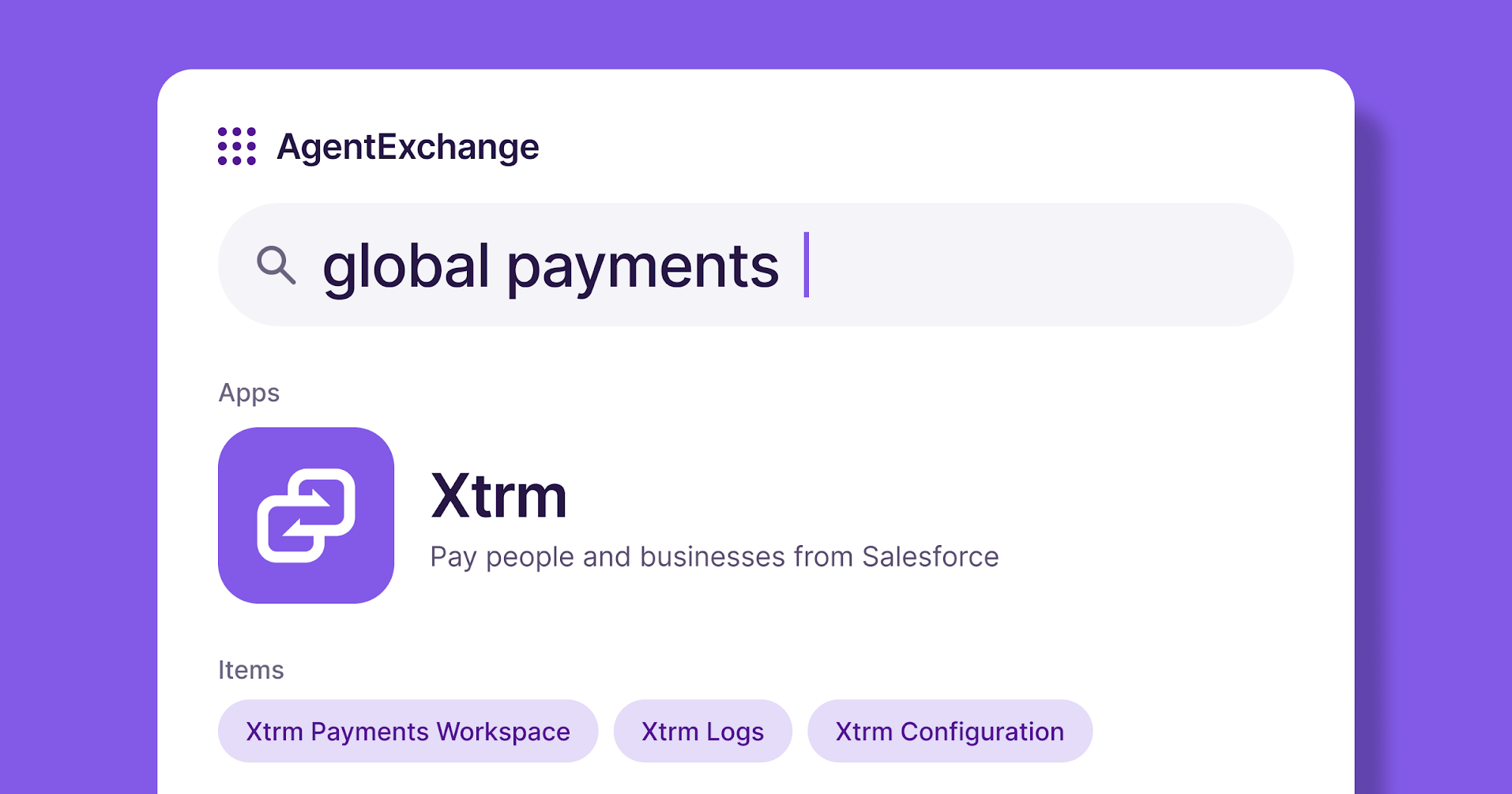
- Build the batch. The list of recipients and amounts comes from a file upload, an API call, or your CRM. On Xtrm, that can be a mass payment file, the MassPay API, or Xtrm Payments for Salesforce.
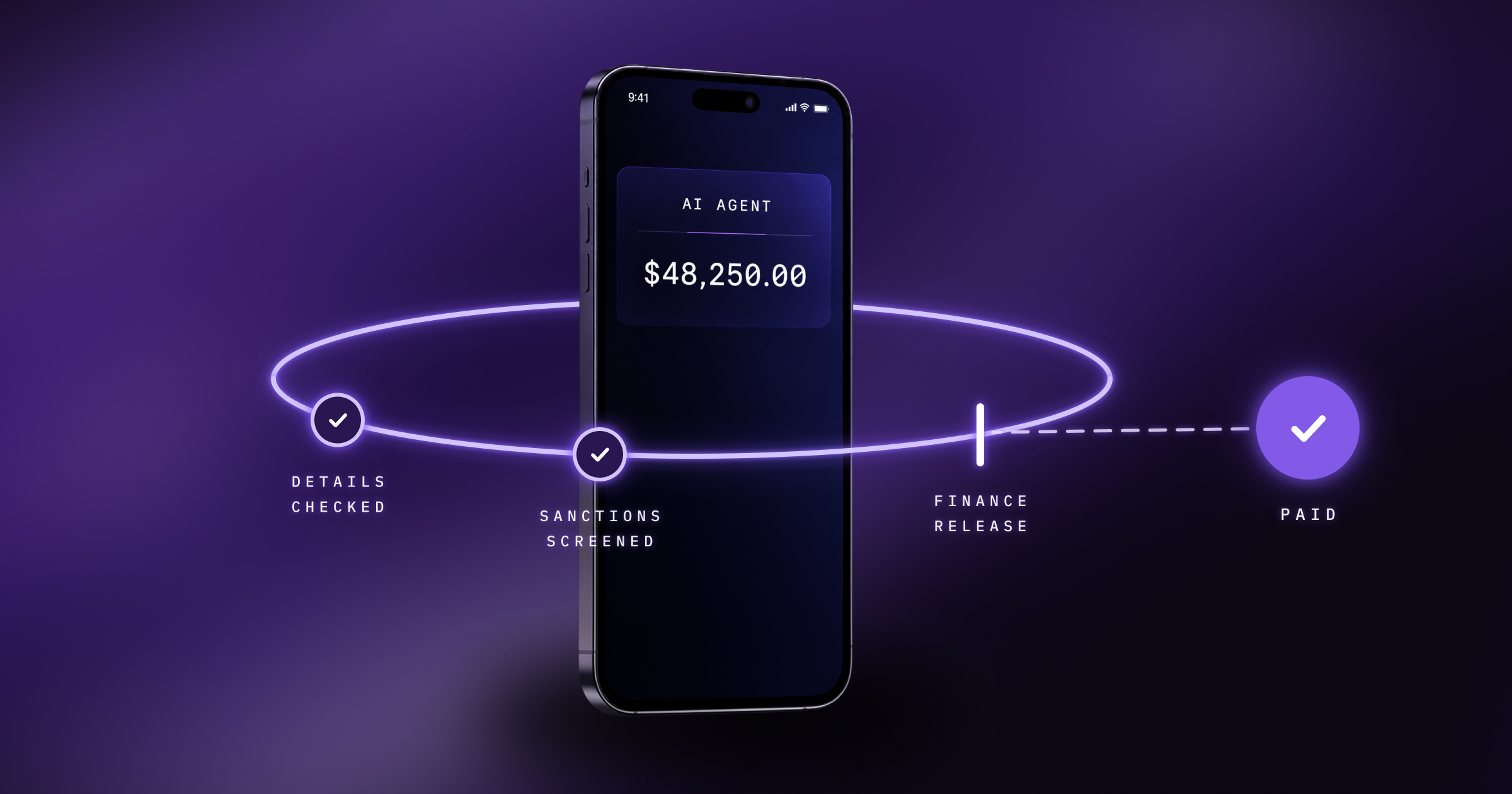
- Approve it. A second person reviews the file before it is processed. Our post on the maker-checker process explains why that separation matters.
- Screen it. Recipients are checked against identity requirements and sanctions lists, such as those maintained by the U.S. Treasury's Office of Foreign Assets Control, before payments are released.
- Deliver it. Each recipient is paid by the method they chose, in their local currency.
- Reconcile it. Every payment reports a status, so you can see what was completed, what failed and why.
Where the cost and delays come from
International payments have been under official scrutiny for years. The G20 set targets for cross-border payments that include an average cost of no more than 1% and funds available within an hour for most retail payments, a category that includes payments from businesses, by the end of 2027. The Financial Stability Board, which tracks progress, has said those targets are unlikely to be met on time.
For payout teams, the more useful detail is in a 2026 Federal Reserve review of the data. It found that business-to-business and business-to-person payments sent from North America cost more than the global average, that both have been slowly getting more expensive, and that their average speeds have slowed since 2023. It also found that only about a quarter of these services tell senders both the cost and the expected speed up front, and that for payments received in North America, exchange-rate margins tend to run higher than the global average even where fees are lower.
Inside a single payout run, the cost and delay usually come from a few places:
- Fees along the way. Wires that pass through intermediary banks can lose money at each step. We break these down in our guide to the true cost of global payouts.
- Exchange-rate margins. A low transfer fee can hide a wide currency spread.
- Bad recipient data. A wrong account number or name means a returned payment, a support ticket and a second attempt.
- Manual approvals. Files that sit in someone's inbox delay everyone in them. Our post on fixing bulk payment bottlenecks covers the common causes.
- Compliance holds. Screening that happens late in the process stops payments after they were expected to arrive.
What to look for in a bulk payment solution
When you compare providers, these are the questions that separate a tool that sends payments from one that runs payout programs.
| Question to ask | Why it matters |
|---|---|
| Where can you pay, and in which currencies? | One provider for every country you pay into keeps funding and reporting in one place. |
| Who collects the recipient's details? | If your team gathers bank details by email, you carry the error and fraud risk. |
| Can recipients choose how they get paid? | People who pick their own method are less likely to have payments fail or come back. |
| How are files approved? | A required second approver stops a single mistake from paying out at scale. |
| When does screening happen? | Checks before release prevent payments from being stopped midway. |
| Is the total cost shown, including the exchange rate? | Fees alone don't tell you what a payout really costs. |
| Who supports recipients after payment? | Without it, "where is my payment?" questions land on your channel or finance team. |
How the main bulk payment providers compare
Several providers handle bulk international payments, and each is built around a different core job. The summary below is based on each provider's own published information as of November 2026. Check their sites for current details, since coverage and features change.
| Provider | Primary focus | Stated reach | How recipients get paid | How you submit a batch |
|---|---|---|---|---|
| Tipalti | Accounts payable and finance automation | 200+ countries and territories, 120+ currencies | 50+ methods, including ACH, wire, Global ACH, PayPal and checks | File upload or API |
| Wise Business | Multi-currency business account | 40+ currencies | Bank transfer | CSV or XLSX file of up to 1,000 transfers |
| Payoneer | Mass payouts for marketplaces and platforms | 190+ countries and territories, 70 currencies | Payoneer account, local bank account or eWallet | File upload or API |
| Xtrm | Payout programs for partners, contractors and incentives | 200+ countries, 150+ currencies | Bank transfer, prepaid card or digital gift card, chosen by the recipient | File upload, API or Salesforce |
Tipalti
Tipalti describes itself as a finance and accounts payable automation platform. Its mass payments product pays suppliers, contractors, creators and affiliates, and it sits alongside invoice processing, payee self-onboarding, tax ID collection and ERP integrations. It tends to fit finance teams that want payouts handled inside a broader accounts payable workflow. We cover the differences in more detail in Xtrm vs Tipalti.
Wise Business
Wise Business includes a batch payments tool that sends up to 1,000 transfers from a single spreadsheet, in more than 40 currencies, at the mid-market exchange rate with the fee shown for each transfer. Each batch is funded from one source currency. It tends to fit businesses paying a known list of suppliers, employees or contractors by bank transfer.
Payoneer
Payoneer's mass payouts service is built for marketplaces and platforms paying sellers, freelancers and contractors. Payees can receive funds into a Payoneer account, a local bank account or an eWallet, and payouts can be submitted by file or API. It tends to fit platforms whose payees already use, or are willing to open, a Payoneer account.
Xtrm
Xtrm is a global payment platform built for payout programs such as SPIFFs, MDF, rebates, partner commissions and contractor payments. Recipients start with a name and an email address, enter their own details and choose how they get paid, and payment files can require approval before they are processed. It tends to fit companies running incentive and partner programs that want recipient choice and approval controls in one place. For an embedded payouts comparison, see Xtrm vs Trolley.
How Xtrm handles bulk international payments
Here is how the checklist above works on Xtrm.
- Reach. Payments go to recipients in more than 200 countries and in more than 150 currencies, from one funded wallet.
- Recipients enter their own details. You can start a payment with a name and an email address. The recipient sets up their account and keeps their own information, so your team doesn't collect bank details. Our guide to payee management explains why that matters.
- Recipient choice. Recipients choose bank transfer, prepaid card or digital gift card, in their local currency.
- Approvals before processing. Mass payment files can require approval before they are processed, with an optional second approver. Our help center guide to approval policies covers the setup.
- Screening and tax information. Xtrm runs identity and sanctions checks before payments are released, and collects W-9 and W-8BEN(-E) equivalent information electronically.
- Delivery and support. Xtrm has a 99% first-time delivery rate and supports recipients after the payment arrives.
Xtrm is SOC 1 and SOC 2 Type II compliant. Xtrm is a fintech technology provider, not a bank.
FAQs about bulk international payments
What is a bulk international payment?
It is a single batch that pays many recipients in different countries at once, usually in their local currencies. Companies use it for partner incentives, commissions, rebates, contractor payments and rewards.
How long do bulk international payments take?
It depends on the country, the currency and the payout method. The G20 aims for most cross-border retail payments to be available within an hour by the end of 2027, but official progress reports show the industry is not there yet. Clean recipient data and approvals that are done on time are the biggest factors you control.
What does a bulk international payment cost?
The total cost is the transfer fee plus the exchange-rate margin. Ask any provider to show both, because a low fee can sit next to a wide currency spread.
Which bulk payment provider is right for my business?
It depends on what you are paying for. Accounts payable platforms suit supplier invoices, business accounts with batch tools suit straightforward bank transfers, marketplace payout services suit platforms paying sellers, and payout platforms like Xtrm suit incentive and partner programs where recipients choose how they get paid. The checklist above is a good way to compare them side by side.
Do I need bank details for every recipient?
Not with Xtrm. You can start a payment with a name and an email address, and the recipient enters their own details and chooses how to be paid.
Conclusion: Treat bulk payouts as a process, not a transfer
Bulk international payments rarely fail because money can't move across borders. They fail because of a typo in a spreadsheet, an approval that waited a week, or a recipient who never wanted a wire in the first place. A good bulk payment solution fixes those problems before the money leaves, then shows you exactly what happened after.
If you want to see how a bulk payout run would work for your programs, we are glad to walk through it with you.
Last updated: November 10, 2026
Post by The Xtrm Team
Nov 10, 2026, 8:44:54 AM